
Custom Code vs. WordPress vs. Shopify: Complete Cost & ROI Analysis
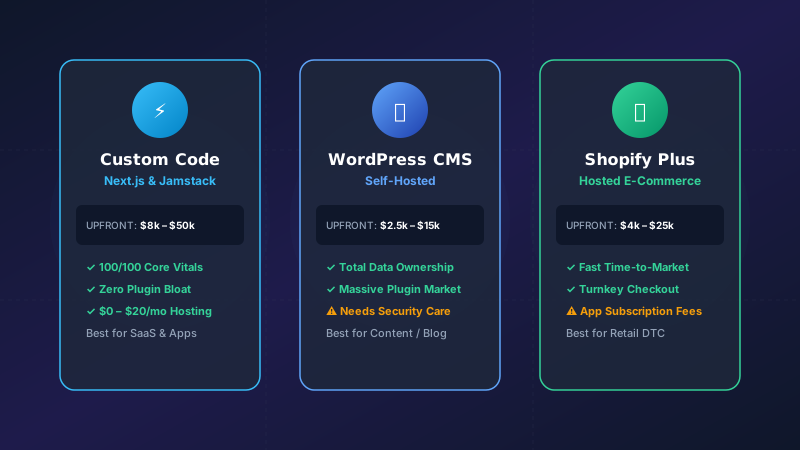
When initiating a new web project, the foundational technical decision you make is selecting the platform architecture. Choosing between custom code (e.g. Next.js, React, Node.js), an open-source CMS like WordPress, or a proprietary SaaS engine like Shopify impacts not only your upfront development quote but your entire 5-year Total Cost of Ownership (TCO).
A tech stack that appears "cheap" initially can morph into a resource sink due to constant plugin maintenance, security remediation, and performance bottlenecks. Conversely, an expensive custom-engineered web application can offer remarkable 100/100 Core Web Vitals speeds, zero plugin subscription overhead, and infinite flexibility.
Compare how switching between WordPress, Shopify, and Custom Code affects your budget in real time using our Website Cost Estimator.
1. Comprehensive 3-Way Architectural Comparison
| Evaluation Metric | WordPress (Self-Hosted) | Shopify / Shopify Plus | Custom Code (Next.js / Jamstack) |
|---|---|---|---|
| Initial Build Cost | $2,500 – $15,000 | $4,000 – $25,000 | $8,000 – $60,000+ |
| Monthly Infrastructure | $20 – $150/mo (VPS) | $39 – $2,000/mo (SaaS) | $0 – $50/mo (Vercel/Cloudflare) |
| Monthly App/Plugin Overhead | $30 – $200/mo | $100 – $600/mo | $0 (Built into repo) |
| Core Web Vitals Speed | Moderate to Good (60–85) | Moderate (50–80) | Exceptional (95–100) |
| Security Maintenance | High (Frequent core/plugin patches) | Zero (Managed by Shopify) | Extremely High Security (Static/API) |
| Developer Labor Market | Massive & Economical ($35–$100/hr) | Large Liquid Market ($50–$140/hr) | Specialized Senior Devs ($90–$200/hr) |
2. WordPress: The Flexible Content Heavyweight
Powering over 40% of the web according to W3Techs Market Reports, WordPress remains the industry standard for content publishing, editorial blogs, service businesses, and lead generation sites.
Financial Advantages:
- Low Entry Barrier: Millions of open-source themes, Gutenberg block libraries, and plugins keep initial engineering hours modest.
- Broad Talent Availability: Finding a competent WordPress developer is easy across global freelance platforms.
- Zero Platform Lock-in: You own the database and files, meaning you can migrate hosting providers anytime.
Hidden Cost Considerations:
- Plugin Vulnerabilities: Outdated plugins represent 90%+ of WordPress security breaches. Requires ongoing monthly maintenance retainers. Read our Maintenance Cost Guide.
- Database Bloat & Speed: Heavy themes require server caching layers (Redis, Varnish) to maintain fast page speeds.
3. Shopify: The Turnkey E-Commerce Machine
For pure direct-to-consumer (DTC) and retail commerce, Shopify eliminates hosting setup, PCI compliance audits, and checkout server crashes on high-traffic days (Black Friday / Cyber Monday).
Financial Advantages:
- World-Class Checkout Optimization: Shop Pay boasts a 15%+ higher conversion rate than standard custom checkouts.
- Zero Server Headaches: Shopify handles all CDN caching, DDoS mitigation, and server scaling automatically.
Hidden Cost Considerations:
- App Stack Subscriptions: Advanced product filters, subscription billing, customer loyalty points, and back-in-stock notifications each carry monthly recurring fees. Check our E-Commerce Pricing Guide.
- Transaction Fee Penalties: If you use external gateways instead of Shopify Payments, Shopify levies a 0.5% to 2.0% transaction penalty.
4. Custom Code (Next.js, React, Jamstack): The High-Performance Asset
When your business model revolves around a proprietary web tool, dynamic SaaS dashboard, interactive financial calculator, or extreme page speed requirements, standard CMS platforms become limiting. Custom code built with modern frameworks like Next.js or Remix offers unmatched capability.
Financial Advantages:
- Blazing Speed & SEO: Sub-second load times yield superior search engine rankings according to Google Web Vitals Documentation.
- Negligible Hosting Expenses: Static pre-rendering and serverless edge functions on platforms like Cloudflare or Vercel cost $0 to $20/month for millions of hits.
- Zero Plugin Vulnerabilities: Without third-party CMS plugins, attack surfaces are dramatically minimized.
Hidden Cost Considerations:
- Higher Initial Build Price: Senior React/TypeScript engineers command $90 – $180/hr. Expect initial investments starting from $8,000+.
- Content Authoring Setup: Requires integrating a Headless CMS (Sanity, Contentful, Strapi) for non-technical team members to edit copy.
5. The Strategic Selection Framework: Which Stack Should You Choose?
- Choose WordPress if: Your primary objective is publishing content, building an SEO-driven editorial blog, or marketing local professional services on a budget under $10,000.
- Choose Shopify if: You are selling physical merchandise with less than 10,000 SKUs and want hands-off checkout and server management.
- Choose Custom Code if: You are building an interactive SaaS web app, custom calculator, enterprise portal, or brand requiring 100/100 Core Web Vitals performance.
For a deep comparison of execution talent, read our guide on Hiring a Freelancer vs. Agency vs. DIY or discover hidden fees in our 9 Hidden Costs Report.